
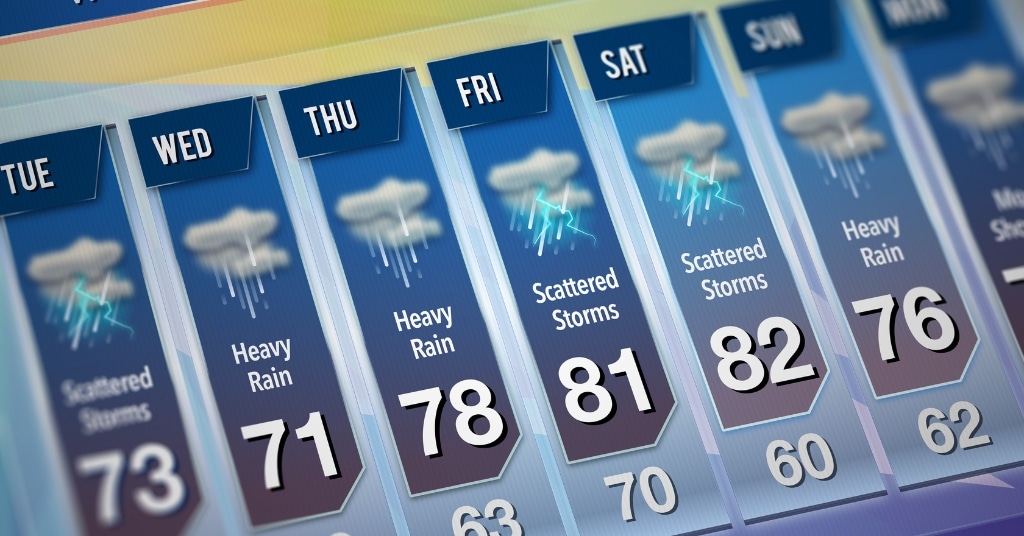
The Weather Report is a quick check-in question activity for meetings that turns your mood into a forecast. Instead of saying “I’m fine,” each person describes how they feel using weather language. Someone might report sunny skies with a light breeze. A teammate down the hall might warn about incoming thunderstorms. Nobody has to explain the metaphor because everyone already speaks it. The room understands instantly, and that speed is the whole point.
Use this check-in for staff meetings, department huddles, virtual meetings, and Monday morning all-hands. It also works well in leadership workshops where honesty tends to stay guarded. Because the forecast format feels playful, people share real information they’d normally keep to themselves. A manager once heard “storm clouds building” from a quiet employee and caught a burnout problem three weeks before it would have surfaced on its own.
After you run this activity once, you’ll have a 90-second check-in that works every week without ever getting stale. If you’re building out a rotation of meeting icebreaker ideas, this one earns a permanent spot. You’ll also know exactly how your team is walking into the meeting before you say a single word about the agenda.
How to Set Up the Weather Report Before Your Staff Meeting
This activity needs almost no setup, which is exactly why it works for busy teams. Prep time is close to zero. Any room works, including a conference room, a hallway huddle spot, or a video call. Group size doesn’t matter either, so you can run this with three people or thirty. It’s one of the easiest team check in questions you’ll ever facilitate because there’s genuinely nothing to prepare.
Materials are optional but can add energy to the activity:
- Nothing required for a basic in-person round
- A shared chat window for remote or hybrid teams
- Sticky notes if you want people to draw their forecast
- A whiteboard for tracking everyone’s forecast across a week
For virtual meetings, ask everyone to type their forecast in chat instead of saying it out loud. That variation speeds things up when your group is larger than fifteen people. Facilitators leading recurring meetings can also track forecasts on a shared board over several weeks to spot patterns in team morale.
Step-by-Step Instructions for Leading the Weather Report
Step 1: Introduce the weather metaphor.
Tell the group they’ll each share a one-line weather forecast for how they’re feeling right now. Explain that literal weather works, but so does an invented forecast like “77 degrees and steady.” If people freeze up, offer a few examples to get their gears turning. Consider sharing options like these:
- Sunny with a chance of afternoon meetings
- Partly cloudy, waiting on some good news
- Foggy, still finishing my coffee
- Thunderstorms rolling in after a rough client call
- Clear skies, ready for anything today
- Windy, juggling three projects at once
- Overcast now, but clearing by lunch
- Heat wave, celebrating a big win
- Light drizzle, a slow start this morning
- High pressure system, calm and steady
Next, remind everyone there’s no wrong answer. The goal is honesty, not comedy, although funny forecasts are always welcome.
Step 2: Model the first forecast yourself.
As the facilitator, go first. Your example sets the tone for how honest the group will get. Then, share your real forecast, even if it’s not glowing. A leader who says “a little stormy after a tough call this morning” gives everyone else permission to be honest too.
Step 3: Go around the group.
Once you’ve modeled the format, invite each person to share their forecast in turn. Keep the pace quick. This step should take no more than a minute per person, and most people only need a few seconds.
Step 4: Ask one quick follow-up.
When someone shares an interesting or concerning forecast, ask a single follow-up question. Keep it light, such as “What would turn that drizzle into sunshine today?” Avoid turning this into a therapy session. One question is plenty.
Step 5: Transition straight into your agenda.
Finally, move directly from the last forecast into your meeting’s first agenda item. The whole activity should take less than five minutes for a team of ten. That speed is what makes it repeatable week after week.
Debrief Questions to Drive Real Learning After the Weather Report
The conversation during the activity can act as the debrief if you’re short on time. However, a short debrief afterward can turn a fun check-in into a real leadership tool. Because forecasts often reveal workload or morale issues, a few follow-up questions help you act on what you heard instead of just noting it.
This works especially well in recurring meetings, where you can compare this week’s forecasts to last week’s. Patterns start to show up fast once a team gets comfortable with the format.
A Few Questions to Ask After the Weather Report
- Did anyone’s forecast surprise you?
- What would it take to turn a stormy forecast into a clear one this week?
- How does knowing a teammate’s forecast change how you’ll work with them today?
The Takeaway
One team we heard about used this check-in every Monday for six months. A quiet team member reported “hurricane warning” three weeks in a row before anyone realized her workload had tripled. The forecast gave her a low-pressure way to say something she wasn’t ready to say directly yet. That’s the real value of the Weather Report. It gives people a script for honesty when they don’t have the words for it on their own.